Mend Tokyo
Traditional kintsugi with natural urushi and real gold · Asakusabashi, Tokyo
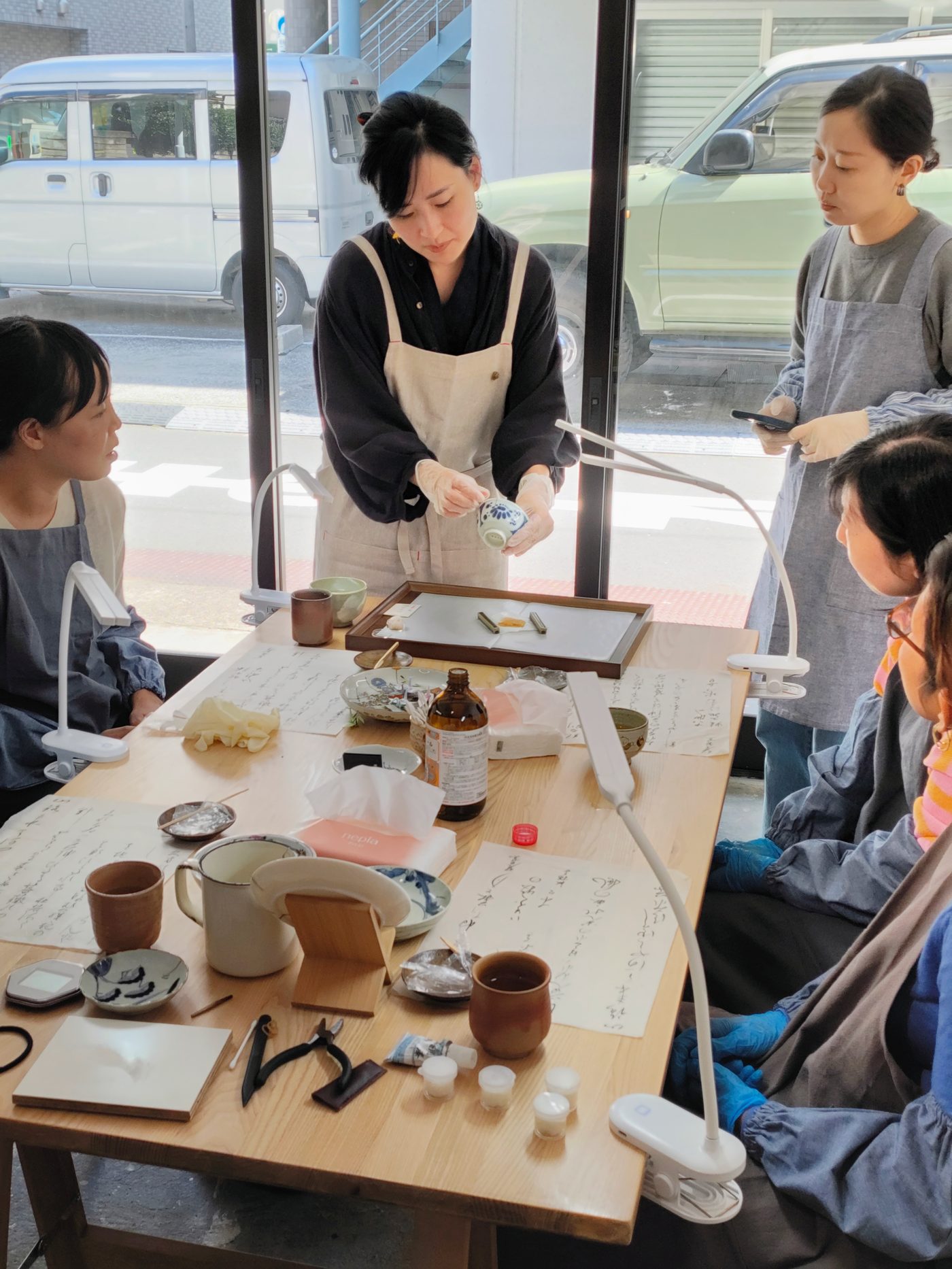
Spend two quiet hours finishing a real kintsugi repair with your own hands. In a small group, you paint a line of urushi along the seam of an antique vessel, sprinkle it with gold, and take the piece home.
(¥22,000 incl. tax)
About kintsugi
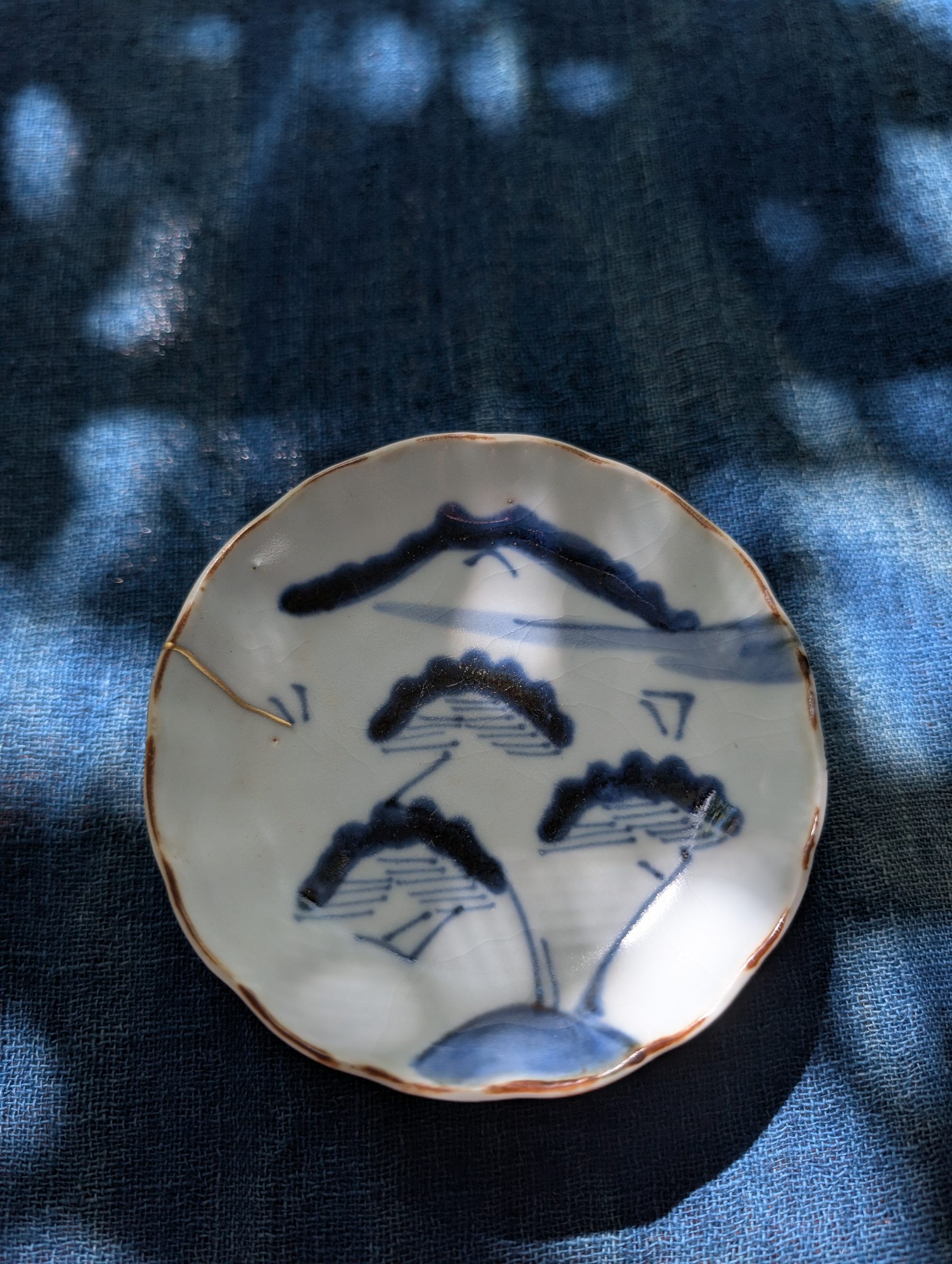
Kintsugi (金継ぎ, “golden joinery”) is the traditional Japanese art of repairing broken ceramics with urushi lacquer and gold. Rather than hiding the break, it makes the repair part of the piece’s story. The craft has its roots in Japan’s tea culture and in lacquer techniques that go back thousands of years.
We work only with real materials: natural urushi and real gold. No epoxy, no synthetic substitutes. Every vessel is an antique piece, sourced and prepared by your teacher.
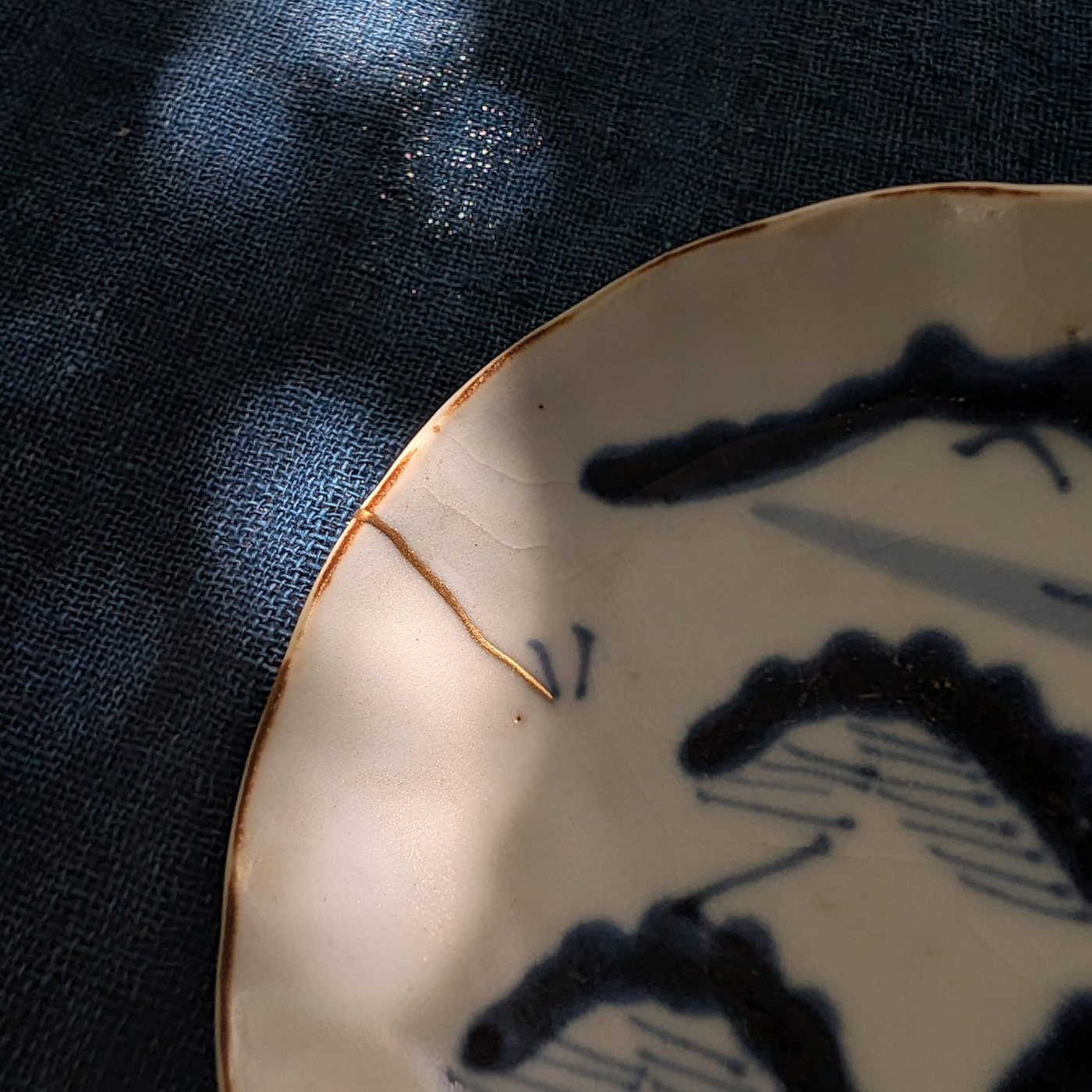
What you will do
A traditional kintsugi repair unfolds over weeks. Before each workshop, Lynh sources the vessels and completes the earlier stages of the repair, so that during the session you can carry out the final, most rewarding step yourself.
- Discover the process. A short introduction to kintsugi, urushi and the stages of a traditional repair.
- Choose your vessel. Each guest works on an antique dish or cup whose crack has already been filled and prepared.
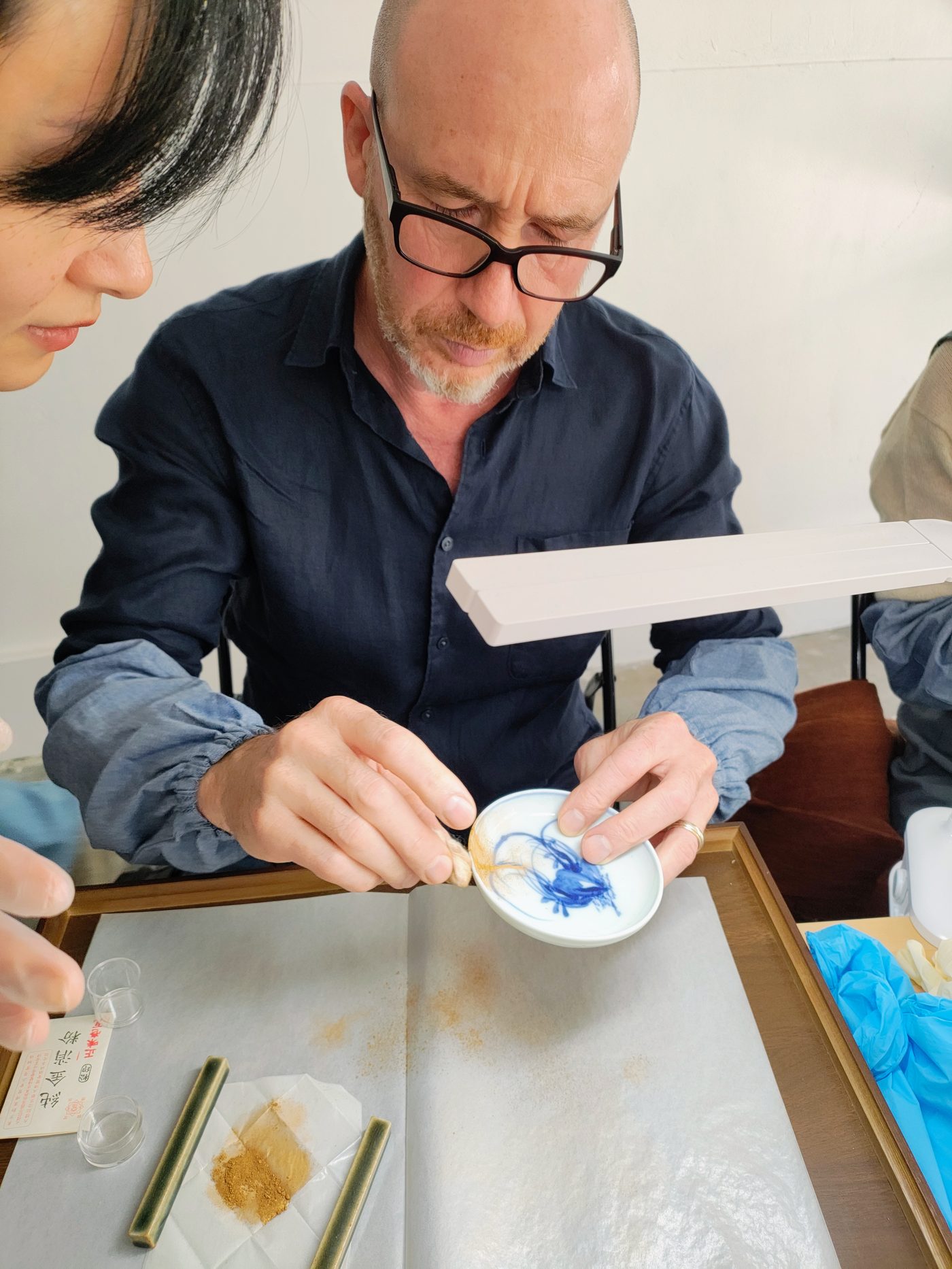
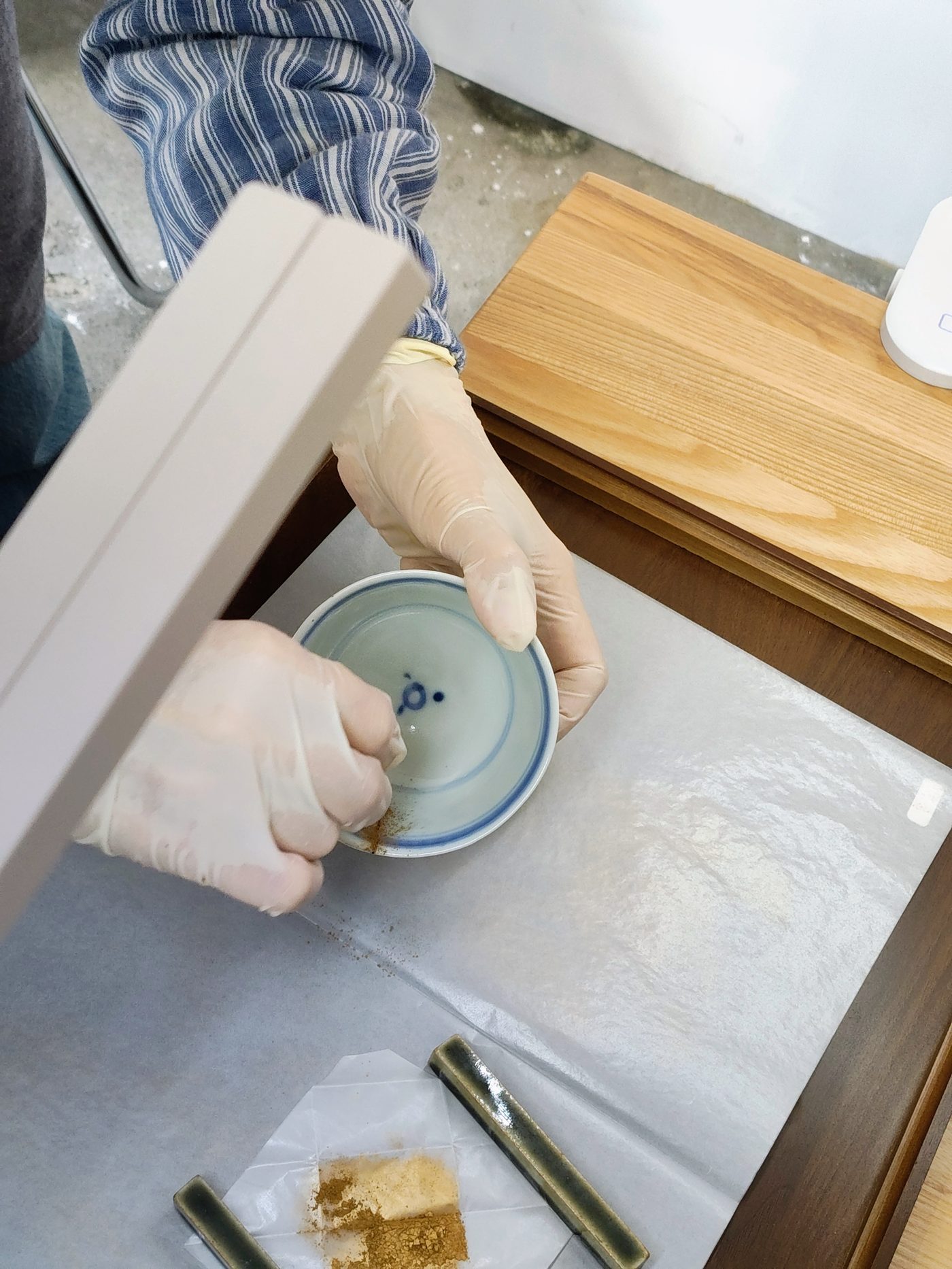
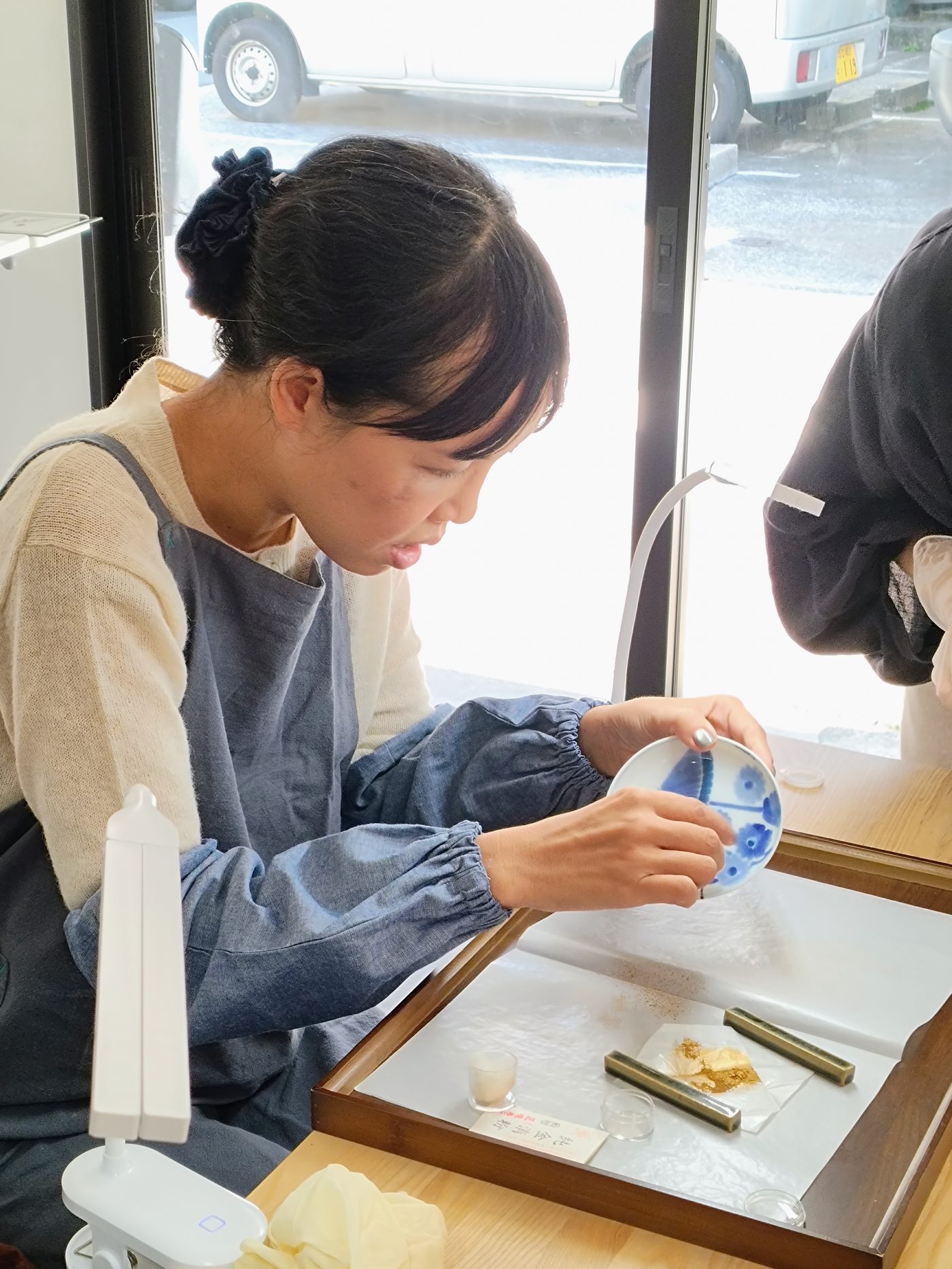
- Paint the seam. With a fine brush, you trace a line of urushi along the repair.
- Sprinkle the gold. Using the maki-e technique, you dust gold powder onto the wet lacquer and watch the seam turn to gold.
- Take it home. Your piece is packed in a protective box, with aftercare instructions for the weeks ahead.
The atmosphere is slow and focused: a quiet time, one task at a time. It is a cultural experience as much as a craft class, and no experience is needed. Aprons, arm covers and gloves are provided.
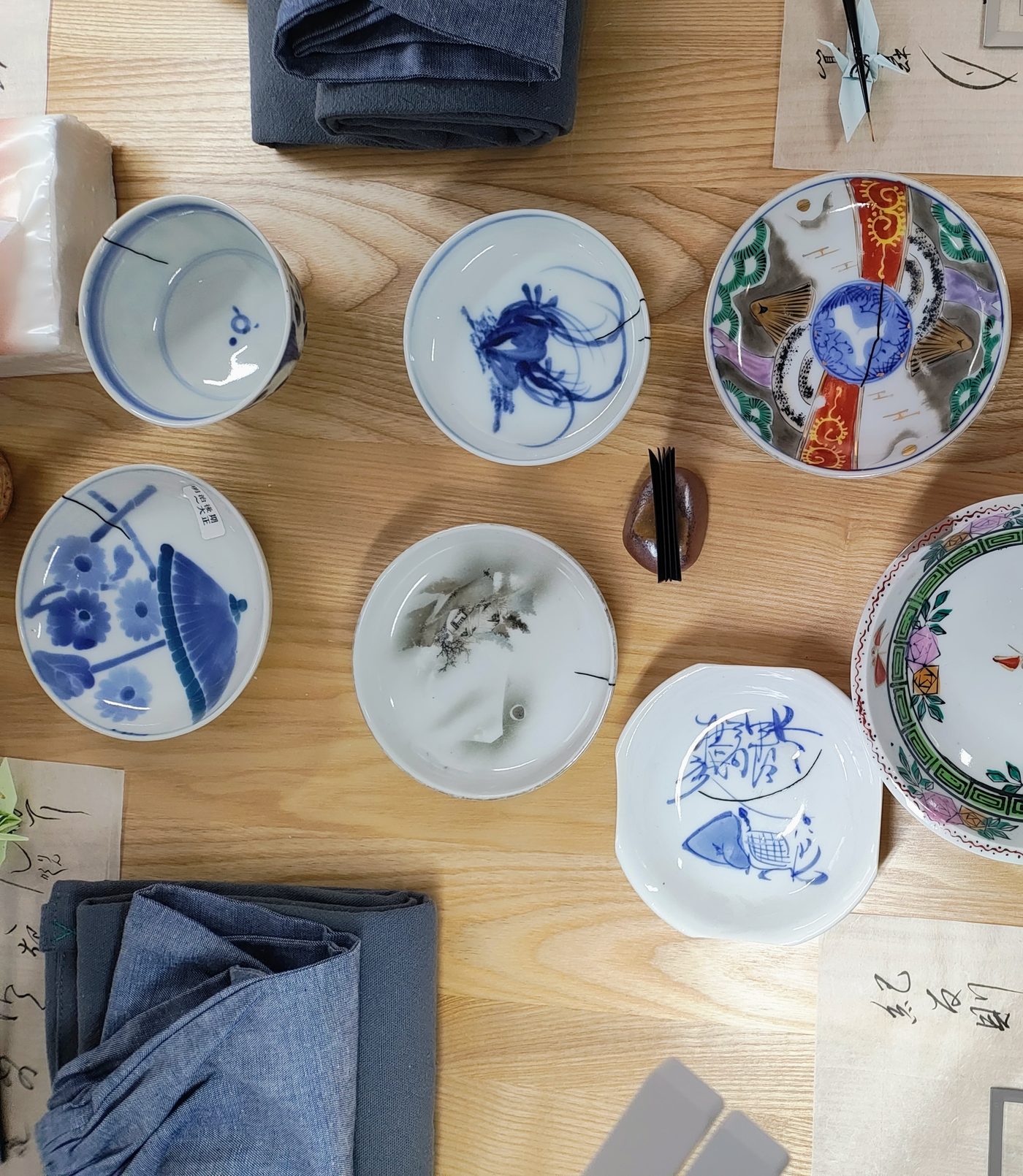
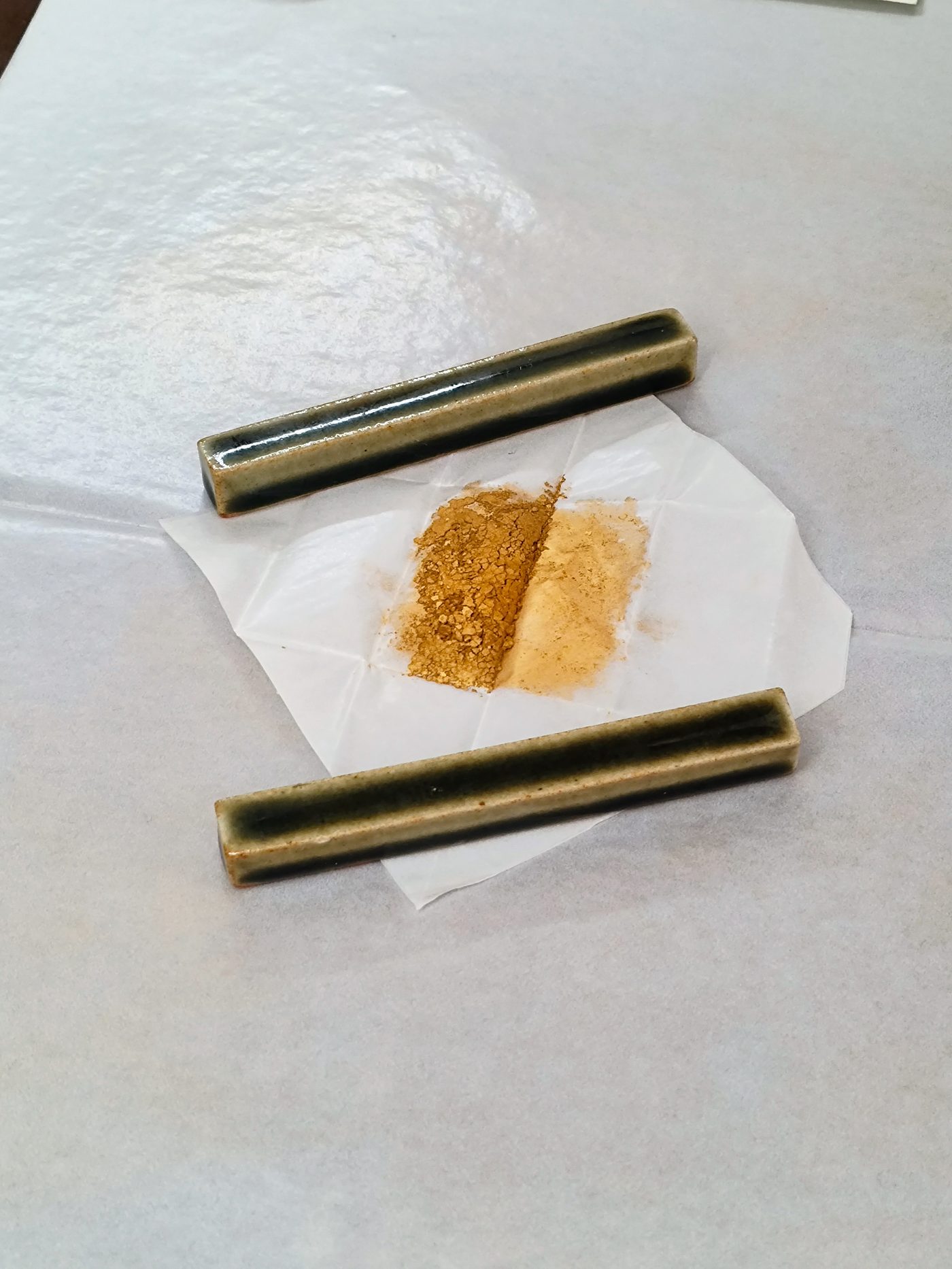
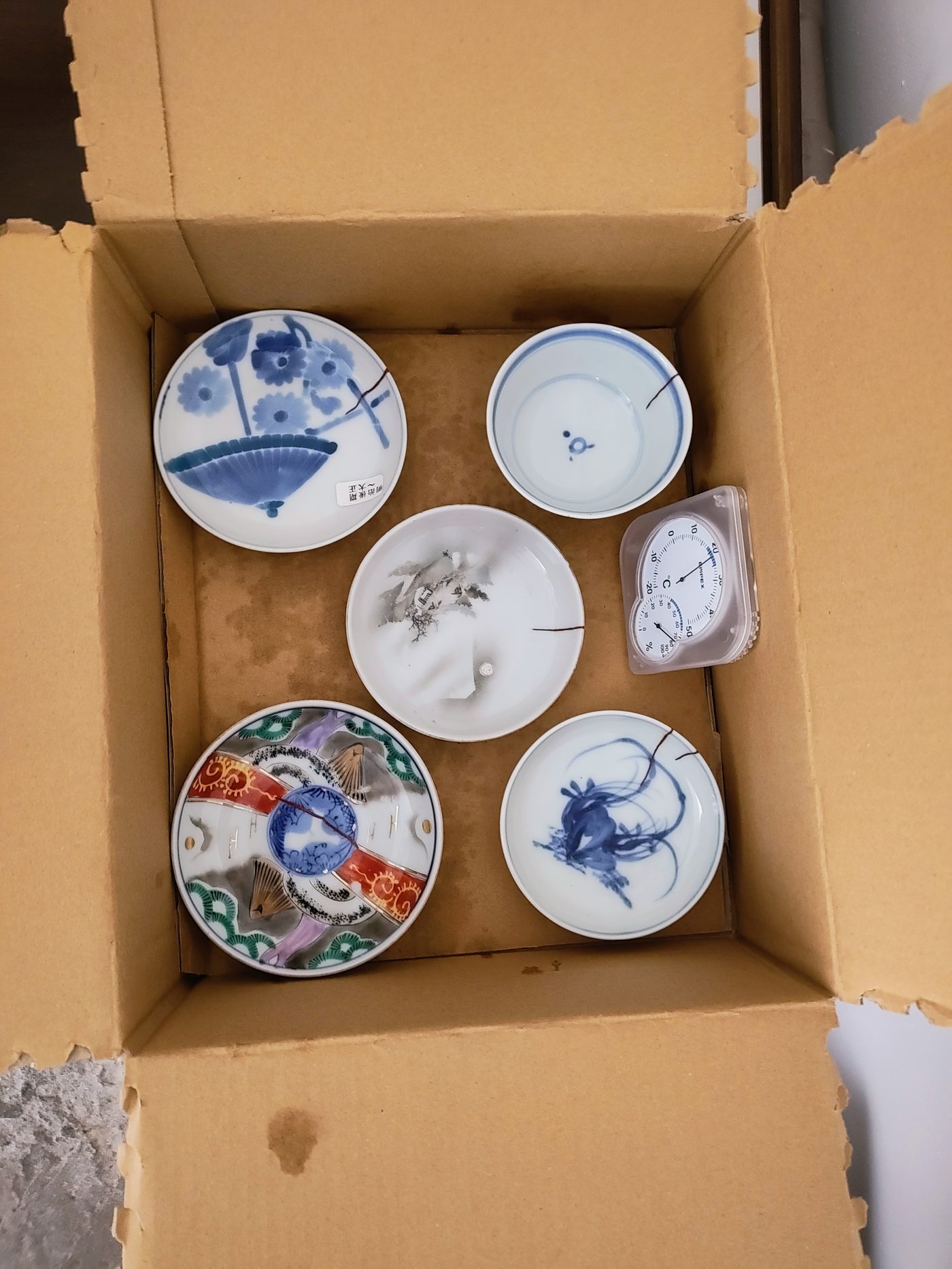
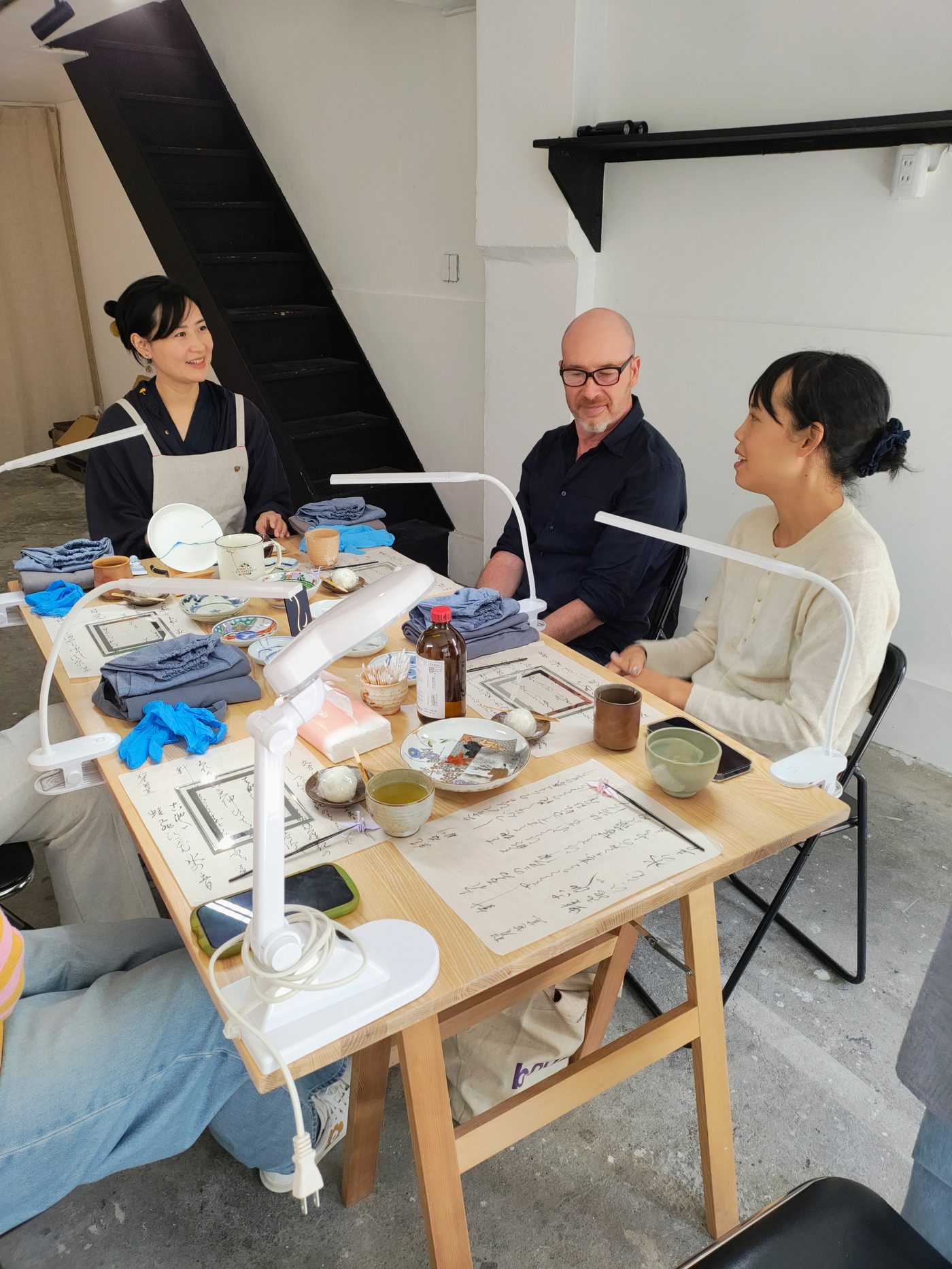
Your teacher
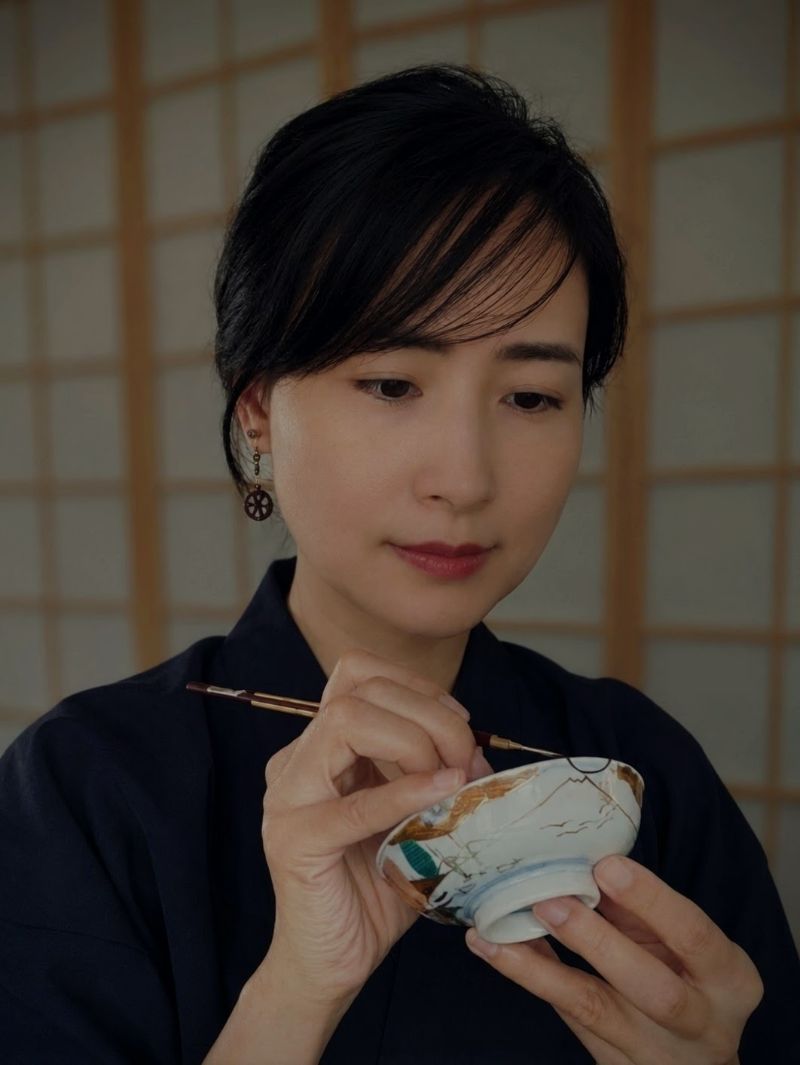
Lynh Ko · @lynh.ko
Lynh Ko is a kintsugi artist and tea ceremony practitioner based in Tokyo. Her workshops, taught in English and French, explore the deep focus that emerges through making: slow hands, quiet mind. Through traditional urushi techniques, she invites participants to experience kintsugi not only as a craft, but as a practice of giving full attention to the process.
Upcoming sessions
Sessions are 10:00–12:00 or 14:00–16:00 on the dates below. Private sessions and other dates are available on request.
| Date | Time | Seats | |
|---|---|---|---|
| Sat 7 Nov 2026 | 10:00–12:00 | 4 open | Request a seat |
| Wed 11 Nov 2026 | 10:00–12:00 | 4 open | Request a seat |
| Wed 11 Nov 2026 | 14:00–16:00 | 4 open | Request a seat |
| Thu 12 Nov 2026 | 10:00–12:00 | 4 open | Request a seat |
| Thu 12 Nov 2026 | 14:00–16:00 | 4 open | Request a seat |
| Mon 30 Nov 2026 | 10:00–12:00 | 4 open | Request a seat |
| Mon 30 Nov 2026 | 14:00–16:00 | 4 open | Request a seat |
| Wed 2 Dec 2026 | 10:00–12:00 | 4 open | Request a seat |
| Wed 2 Dec 2026 | 14:00–16:00 | 4 open | Request a seat |
| Thu 3 Dec 2026 | 10:00–12:00 | 4 open | Request a seat |
| Thu 3 Dec 2026 | 14:00–16:00 | 4 open | Request a seat |
| Mon 7 Dec 2026 | 10:00–12:00 | 4 open | Request a seat |
| Mon 7 Dec 2026 | 14:00–16:00 | 4 open | Request a seat |
| Mon 28 Dec 2026 | 10:00–12:00 | 4 open | Request a seat |
| Mon 28 Dec 2026 | 14:00–16:00 | 4 open | Request a seat |
| Wed 30 Dec 2026 | 10:00–12:00 | 4 open | Request a seat |
| Wed 30 Dec 2026 | 14:00–16:00 | 4 open | Request a seat |
Payment is by card through Square at the time of booking. Can’t find a date that works? Write to us.
Good to know
What is included?
One antique vessel prepared for you, all materials including natural urushi and real gold, tools, apron, arm covers and gloves, and protective packaging with aftercare instructions.
What should I bring?
Nothing. Wear clothes you don’t mind getting a spot of lacquer on; aprons are provided.
Can I bring my own broken piece?
Not in this format — a full traditional repair takes several weeks of curing between layers, so each guest works on a vessel we prepare in advance. If you would like a personal piece repaired, get in touch and we can discuss it separately.
A note on urushi
This workshop uses real Japanese urushi lacquer, a natural tree sap which may cause skin irritation or an allergic reaction in some people before it has cured. Protective gloves, arm covers and aprons are provided. By taking part, participants accept responsibility for any adverse reaction resulting from contact with urushi. If you have reacted to lacquer, mango or cashew (related plants) in the past, please tell us before booking.
Caring for your piece at home
Urushi is a living material and needs time to cure. Leave your piece in its box for at least a week somewhere warm and humid, then enjoy it as a decorative piece for two to three months before using it as tableware. After that: no dishwasher, no microwave, no soaking — wash gently by hand and dry with a soft cloth. You receive full aftercare instructions at the end of the workshop.
Age
Guests must be 12 or older. Guests aged 12–15 should be accompanied by a participating adult.
Cancellations
Because each vessel is prepared for a specific guest, we ask for notice: full refund up to 7 days before the session, 50% up to 48 hours before, and no refund after that. You may transfer your seat to someone else at any time. If we have to cancel, you receive a full refund.
Private sessions & groups
Book all the seats of an open session for a private workshop, or email us for other dates and times.
Location
Held at Three Space Tokyo
3-6-6 Asakusabashi, Taito-ku, Tokyo 111-0053
東京都台東区浅草橋3-6-6
About 6 minutes on foot from Asakusabashi Station (JR Sobu Line / Toei Asakusa Line, exit A4). From Akihabara it is one stop on the Sobu Line.
Questions: threespacetokyo@gmail.com
Instagram: @mendtokyo · @threespacetokyo
Mend Tokyo is a collaboration between kintsugi artist Lynh Ko and Three Space Tokyo.